Nintendo: A Century of Play
Abstract
Nintendo is older than the airplane. Founded in Kyoto in 1889 to make hand-painted playing cards, it has sold cards, toys, light-gun shooting galleries, arcade machines and, since 1977, video game hardware, and it has survived by changing its product while keeping its habit of choosing cheap, proven technology over raw performance. Three generations of one family ran it for 113 years; then a programmer took over. Along the way its engineers built the Game Boy out of deliberately dated parts, turned a barrel-throwing gorilla into the rescue of a failing American subsidiary, rebuilt the US console market after the 1983 crash, and sold more than 150 million units each of the DS and the Switch. The cross-company hardware battles are covered in The Console Wars; this article is about Nintendo itself: the company, its people, and its way of working.
Playing Cards in Kyoto
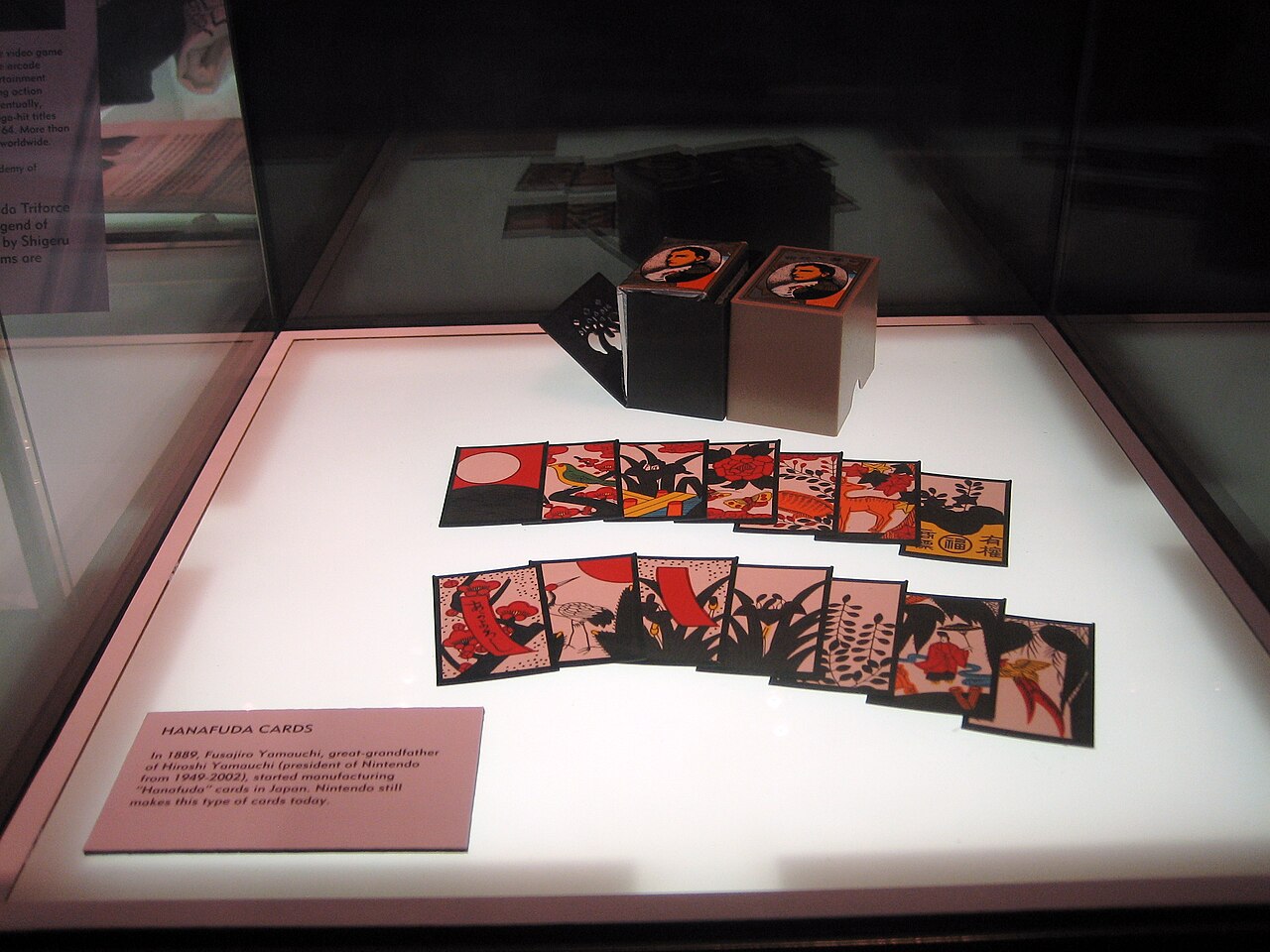
Nintendo Koppai was founded in Kyoto on September 23, 1889, by Fusajiro Yamauchi to make hanafuda, traditional Japanese playing cards with flower motifs for the twelve months, hand-painted on mulberry-bark paper. In 1902 it began producing Western-style playing cards as well. For its first six decades Nintendo was a card company and nothing else.
What the name means
“Nintendo” (任天堂) is usually translated as “leave luck to heaven.” Nobody knows whether that is what Fusajiro Yamauchi intended. He left no explanation, and his great-grandson Hiroshi Yamauchi, who ran the company for half a century, only offered the reading as his best guess. Other readings connect the middle character to gambling, which would suit a maker of cards used in betting games.
The company stayed in the family. Fusajiro’s son-in-law Sekiryo Kaneda, who took the Yamauchi name, became president in 1929 and in 1947 set up a distribution company, Marufuku Co., Ltd., which Nintendo counts as its direct predecessor. It was renamed Nintendo Playing Card Co., Ltd. in 1951.
Hiroshi Yamauchi Takes Over
In 1948 Sekiryo suffered a stroke. His grandson Hiroshi Yamauchi, a 21-year-old law student at Waseda University, left his studies and became president on April 25, 1949. He ran Nintendo for the next 53 years. Yamauchi’s first moves set the tone: he insisted on being the only family member in the company and fired his older cousin, and he replaced managers who had served his grandfather. Employees who disagreed with him did not last. He later summed up his view of the business in a line often quoted from interviews: games are made by “artists, not technicians.”
Under him the card business modernized. In 1953 Nintendo became the first company in Japan to mass-produce plastic playing cards. In 1959 it began selling cards printed with Walt Disney characters, aimed at families and children rather than gamblers, and sold about 600,000 packs in the first year. The company listed on the Osaka and Kyoto stock exchanges in 1962 and in 1963 dropped “Playing Card” from its name to become Nintendo Co., Ltd., a signal that it meant to sell other things.
The reason was a trip. Yamauchi visited the headquarters of the United States Playing Card Company, then the world’s largest card maker, and found a modest operation in a small office. If the market leader in the largest card market looked like that, cards alone would never make Nintendo large.
What followed was a decade of trial and error. In 1960 Nintendo ran a taxi company in Kyoto, Daiya Taxi, and sold it after running into trouble with the labor unions. After the 1963 renaming it set up a food company with two partners that sold instant rice. None of it lasted.
Myth: Nintendo ran a chain of love hotels in the 1960s
The claim appears in almost every short history of the company, usually beside the taxi firm and the instant rice. There is no documentary evidence for it. Nintendo historian Isao Yamazaki went through the company’s securities reports from 1962 onward and found no hotel business; a hotel chain would have had to appear there. The anecdote traces back to David Sheff’s 1993 book Game Over, which gives no source for it. The most charitable reading is that some separate business connected to the Yamauchi family was confused with Nintendo. See Myths and Misconceptions.
Gunpei Yokoi and the Toy Years
The way out came from the maintenance department. Gunpei Yokoi, an electronics graduate hired in 1965 to service the card-making machines, built an extending lattice arm to amuse himself during slow shifts. Yamauchi saw it, ordered it turned into a product, and the Ultra Hand went on sale for Christmas 1966. It sold about 1.2 million units. Yamauchi moved Yokoi out of maintenance and put him in charge of Nintendo’s first research and development group.
Yokoi’s department produced a run of toys through the late 1960s and early 1970s: the Ultra Machine, a small indoor pitching machine; the Love Tester, a pseudo-scientific gadget that “measured” affection between two people holding its electrodes; and in 1970 the Nintendo Beam Gun series, among the first light-gun toys for home use, built with the solar-cell expertise of Sharp. Two engineers who joined in the early 1970s, Masayuki Uemura, who came from Sharp, and Genyo Takeda, stayed at Nintendo for decades.
The light guns led to Nintendo’s most expensive mistake of the 1970s. In early 1973 it launched the Laser Clay Shooting System, which converted Japan’s empty bowling alleys, left over from a 1960s bowling boom, into electronic clay-pigeon ranges: projectors threw moving targets onto a wall and players fired light guns at them. The concept was briefly more popular than bowling. Then came the oil crisis of October 1973. Japan’s economy contracted, orders were cancelled, and Nintendo was left with about ¥5 billion in debt, which took Yamauchi around seven years to pay off. A smaller, cheaper arcade-cabinet version, Mini Laser Clay (1974), recovered part of the investment and started a line of light-gun games (Wild Gunman, 1974) that continued on the Famicom and NES with Wild Gunman and Duck Hunt.
First Video Games
Nintendo’s first steps into video games were partnerships, because it had never built electronics at scale. It distributed the Magnavox Odyssey in Japan, supplied a light gun for it, and had Mitsubishi manufacture an arcade racing game, EVR Race. In June 1977 Nintendo and Mitsubishi released the Color TV-Game 6 and Color TV-Game 15, home consoles with variants of Pong. The TV-Game 6 cost ¥9,800, well below the competition, and each of the first two models sold about a million units; the series as a whole reached about three million across four models.
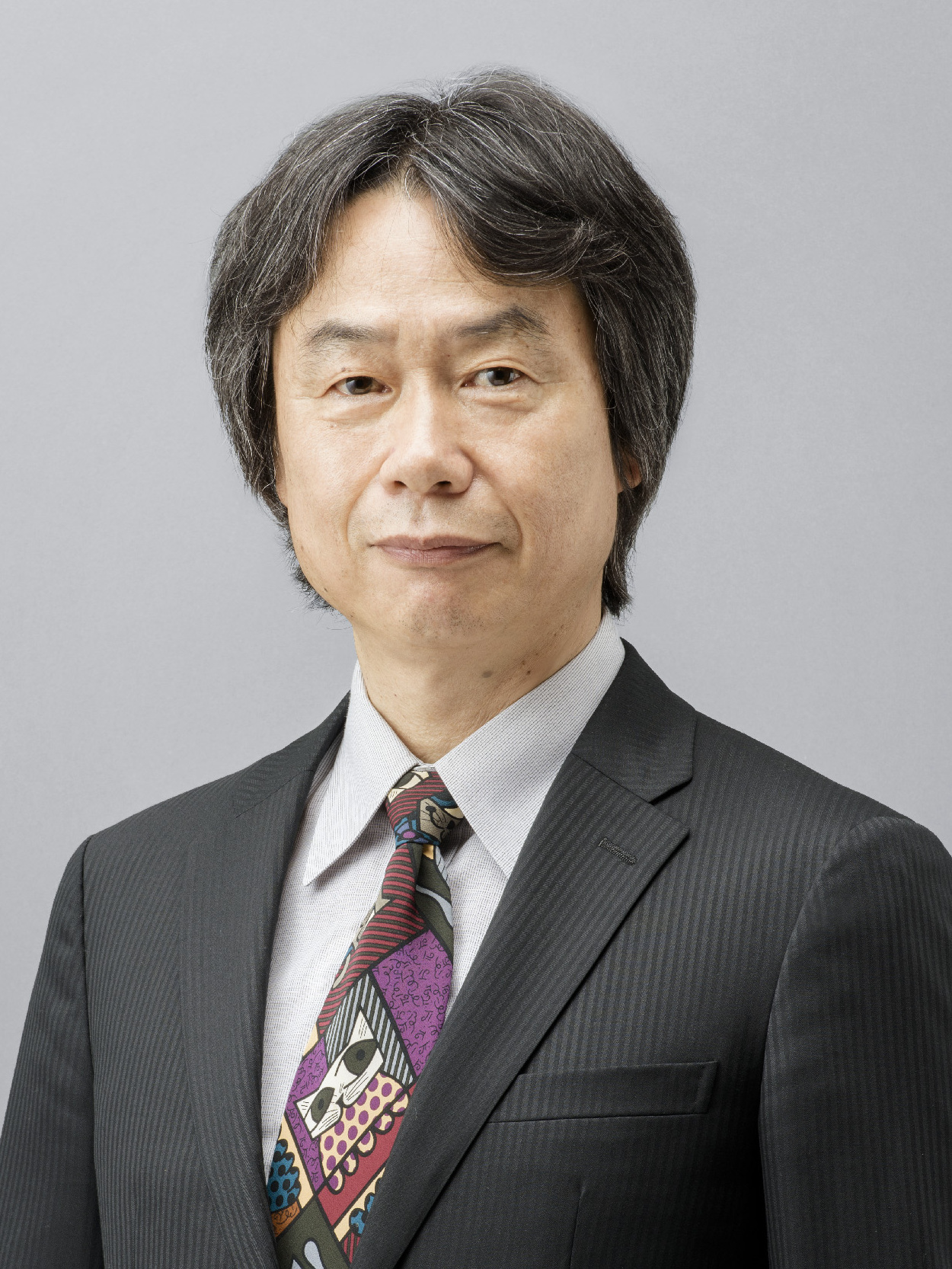
The same year, Nintendo hired its first staff artist. Shigeru Miyamoto, a 24-year-old industrial-design graduate from the Kanazawa College of Art whose father knew Yamauchi, came to the interview with a portfolio of toy designs. One of his first assignments was the casing of the Color TV-Game Block Kuzushi (1979), Nintendo’s version of Breakout.
Game & Watch and “Withered Technology”
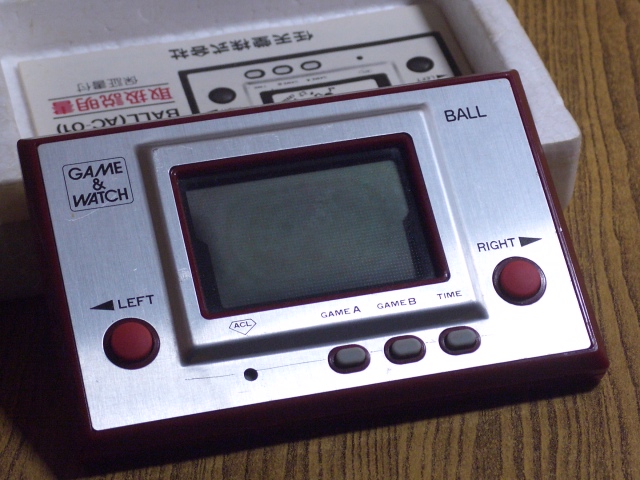
On a Shinkansen ride Yokoi watched a bored businessman pass the time by pressing the buttons of a pocket calculator. A game the size of a calculator, he thought, would give such people something better to do. Sharp had a surplus of small liquid-crystal displays after its calculator price war with Casio, and with his assistant Satoru Okada Yokoi turned them into the Game & Watch. The first model, Ball, went on sale on April 28, 1980. Each unit played one game and doubled as a clock. Over eleven years Nintendo made 60 titles and sold 43.4 million units, 30.5 million of them outside Japan.
The 1982 multi-screen Donkey Kong model introduced Yokoi’s answer to the problem that a joystick sticks out of a pocket device: a flat cross-shaped directional pad. The D-pad moved onto the Famicom controller the next year and onto nearly every game controller since; it earned Nintendo a Technology & Engineering Emmy in 2008.
Yokoi put his method into a phrase: “lateral thinking with withered technology” (kareta gijutsu no suihei shikō). Take mature components that the rest of the industry has already moved past, which are cheap, reliable and well understood, and find a new use for them. A calculator display was withered technology in 1980. Selling it as a toy was the lateral thinking.
Donkey Kong and the American Subsidiary
In 1980 Nintendo founded Nintendo of America in New York under Minoru Arakawa, Yamauchi’s son-in-law, an MIT-trained civil engineer who had been working for the trading house Marubeni. Its first big order went badly. Arakawa bought 3,000 cabinets of Nintendo’s arcade shooter Radar Scope after encouraging tests in Seattle arcades, but by the time they arrived by ship the game looked dated next to Galaxian and Pac-Man. Only about 1,000 sold. Arakawa moved the company to the Seattle area to cut shipping costs and asked Kyoto for a new game that could be installed in the 2,000 unsold machines.
Yamauchi gave the job to Miyamoto, who had never designed a game, with Yokoi supervising. Miyamoto’s Donkey Kong (1981) had a carpenter called Jumpman climbing girders and jumping barrels to rescue a woman from an ape. Conversion kits (new ROM chips and new artwork) went to Seattle, the Radar Scope stock was converted, and the game became Nintendo of America’s first hit. Jumpman was renamed Mario, after Mario Segale, the landlord of Nintendo of America’s warehouse in Tukwila, near Seattle. The usual story has Segale berating Arakawa in front of staff over late rent; the warehouse manager, Don James, later said they picked the name because the reclusive landlord was someone they had never seen.
On June 29, 1982, Universal City Studios sued Nintendo, claiming Donkey Kong infringed its rights to King Kong. Nintendo’s American lawyers, Howard Lincoln and John Kirby, refused to settle. Kirby showed that Universal had itself argued in an earlier case that the King Kong story was in the public domain. Judge Robert W. Sweet ruled for Nintendo in December 1983, and Universal was ordered to pay Nintendo about $1.8 million for bad-faith litigation. Nintendo gave Kirby a sailboat named Donkey Kong, and the round pink hero of HAL Laboratory’s 1992 game carries his name. Lincoln joined Nintendo of America and later ran it with Arakawa.
The Famicom
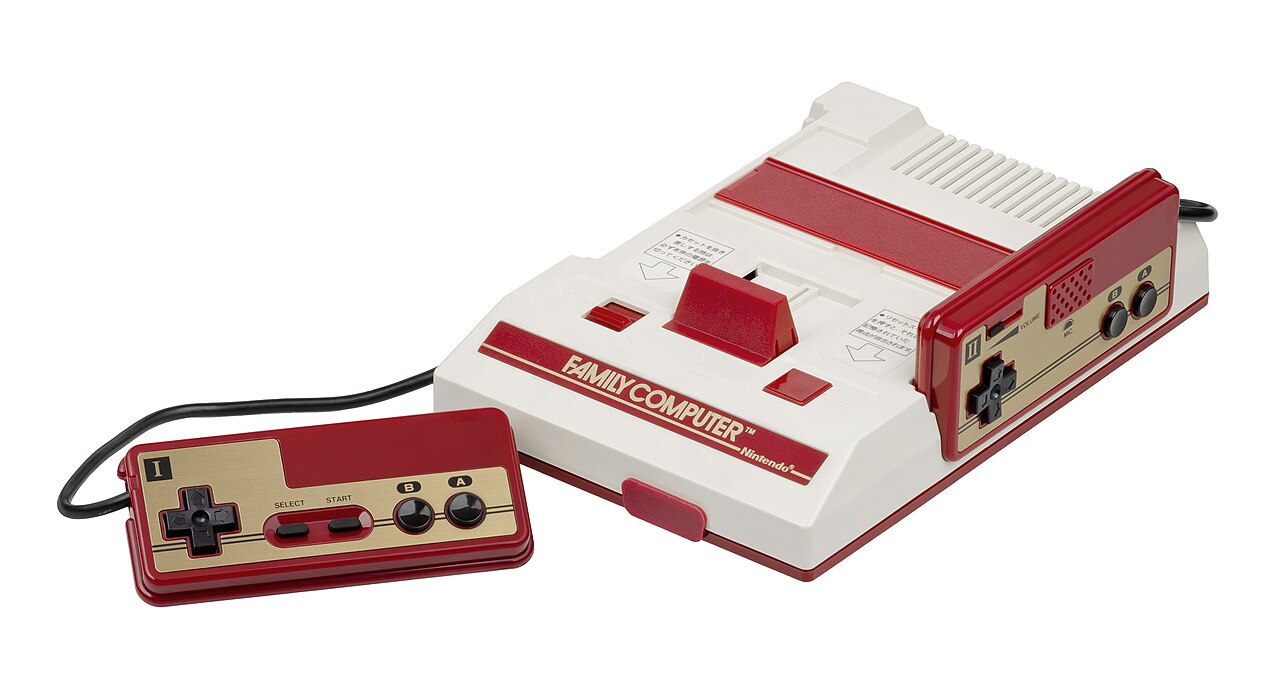
Yamauchi’s brief to Masayuki Uemura was a home console that could run arcade games like Donkey Kong and still sell at a price no competitor could match. Uemura’s team took a Donkey Kong cabinet to the chipmaker Ricoh, which built a custom 6502-based processor and a picture-processing chip for sprites. Nintendo committed to buying three million chips, a volume that brought the price down. The Family Computer, or Famicom, went on sale in Japan on July 15, 1983, for ¥14,800. Yamauchi picked the red-and-white color scheme.
About 500,000 units sold in the first two months. Then reports came in of consoles freezing during play. The fault was traced to a defective chip on the motherboard, and Yamauchi recalled every unit sold, just before the New Year sales season. With a revised motherboard the Famicom recovered, and by the end of 1984 it was the best-selling console in Japan. Super Mario Bros. (1985) and 1986’s The Legend of Zelda (both Miyamoto) and Metroid (Yokoi’s team) defined the platform.
Nintendo also tried to make the Famicom a computer terminal. The Famicom Disk System (1986) added rewritable floppy disks, and games could be rewritten with new titles at kiosks in toy shops. The Family Computer Network System (September 1988) was a modem developed with Nomura Securities that let households trade stocks, check weather, and bet on horse races over the telephone line. Nintendo shipped about 130,000 modems before the service wound down in 1991; betting on horse races was the most popular use.
The console reached North America in October 1985 as the Nintendo Entertainment System, tested first in New York and redesigned as a gray, front-loading box that looked more like a VCR than a toy, which suited retailers still burned by the 1983 crash. Famicom and NES together sold 61.91 million units. The last Famicom left the factory in September 2003.
Control and Its Costs
Nintendo’s American strategy rested on control. Every NES contained a 10NES lockout chip that refused to run cartridges without a matching chip, which only Nintendo could supply. Licensed publishers submitted games for approval, were limited in the number of titles they could release per year, bought their cartridges from Nintendo, and could not publish the same games on competing systems. The Nintendo Seal of Quality on the box told parents the arrangement protected them. Nintendo of America also published Nintendo Power magazine from 1988, which told players which games to buy.
The system produced two landmark legal fights. Atari’s games division set up Tengen in 1986 to publish unlicensed NES games. To build a replacement for the lockout chip, its lawyers obtained a copy of the 10NES source code from the US Copyright Office in 1988 by claiming it was needed for litigation that did not yet exist. In Atari Games v. Nintendo (Federal Circuit, September 1992) the court held that reverse engineering to understand a program could be fair use, but not when it started from a copy obtained by deception. Nintendo won the case, and the fair-use principle has protected reverse engineers since. In 1991 Nintendo settled a Federal Trade Commission complaint over retail price-fixing without admitting wrongdoing, paying legal costs and handing out $5 coupons to past buyers. In Europe, after a Commission statement of objections, Nintendo dropped the approval requirement, the annual title limit and its manufacturing monopoly from its licensing contracts; the Commission closed the case in July 1997.
The Game Boy
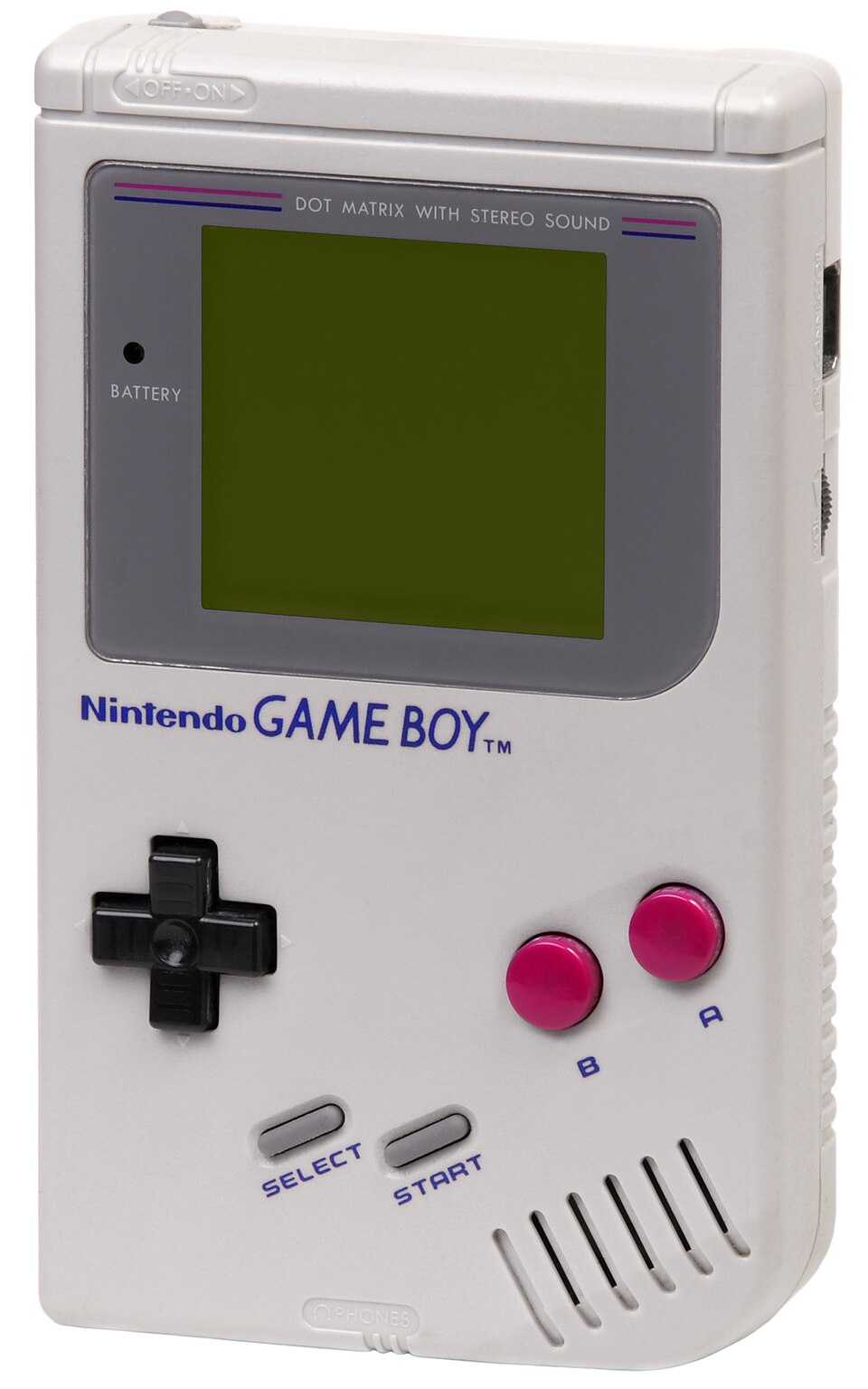
The Game Boy, designed by Yokoi’s R&D1 group with Satoru Okada, went on sale in Japan on April 21, 1989 and in North America on July 31 for $89.99. Its Sharp processor was an 8-bit design related to the Intel 8080 and Zilog Z80, and its reflective green-tinted LCD had no backlight. Atari’s Lynx and Sega’s Game Gear had color backlit screens and ran for three to five hours on six AA batteries; the Game Boy ran for well over ten hours on four (see The Game Boy’s missing backlight).
In North America it came bundled with Tetris, whose handheld rights Henk Rogers had secured for Nintendo in Moscow. A puzzle game with no characters sold the device to adults, and a link cable let two players compete head to head. The Game Boy and its color successor sold 118.69 million units. The line continued with the Game Boy Advance (2001, 81.51 million) and, after Yokoi’s time, the dual-screen Nintendo DS (2004), which reached 154.02 million.
Pokémon
In February 1996, near the end of the original Game Boy’s life, the small developer Game Freak released Pocket Monsters Red and Green in Japan. The game’s creator, Satoshi Tajiri, had grown up collecting insects, and the Game Boy’s link cable gave him the mechanism he wanted: players trading creatures with each other, with each version missing some that only the other could supply. The games revived Game Boy sales, spread worldwide from 1998, and grew into cards, an anime series and films. The Pokémon Company, founded in 1998, is jointly owned by Nintendo (32 percent), Game Freak and Creatures; Pokémon is now the highest-grossing media franchise of all time. When Pokémon Go became a phenomenon in 2016, Nintendo’s share price rose so sharply that the company issued a statement pointing out that it had not made the game: Niantic had.
Losing the Lead
The 1990s were the decade Nintendo lost its dominance of home consoles. The Super Famicom (1990) sold its first shipment of 300,000 consoles within hours and the SNES reached 49.10 million units worldwide, but in 1991 Nintendo broke off a CD-ROM partnership with Sony at the Chicago Consumer Electronics Show by announcing a deal with Philips the day after Sony presented the joint project. Sony built its own console, the PlayStation. The Nintendo 64 (1996) kept cartridges, which were faster to load than CDs but cost more to produce and held far less; Square moved Final Fantasy VII to the PlayStation, and the N64 sold 32.93 million units against the PlayStation’s more than 100 million. The full account of these contests is in The Console Wars and Sony.
The GameCube (2001) did worse, at 21.74 million units. Nintendo stayed profitable throughout, on the strength of its handhelds and its own games.
⚠️ Dead End: The Virtual Boy
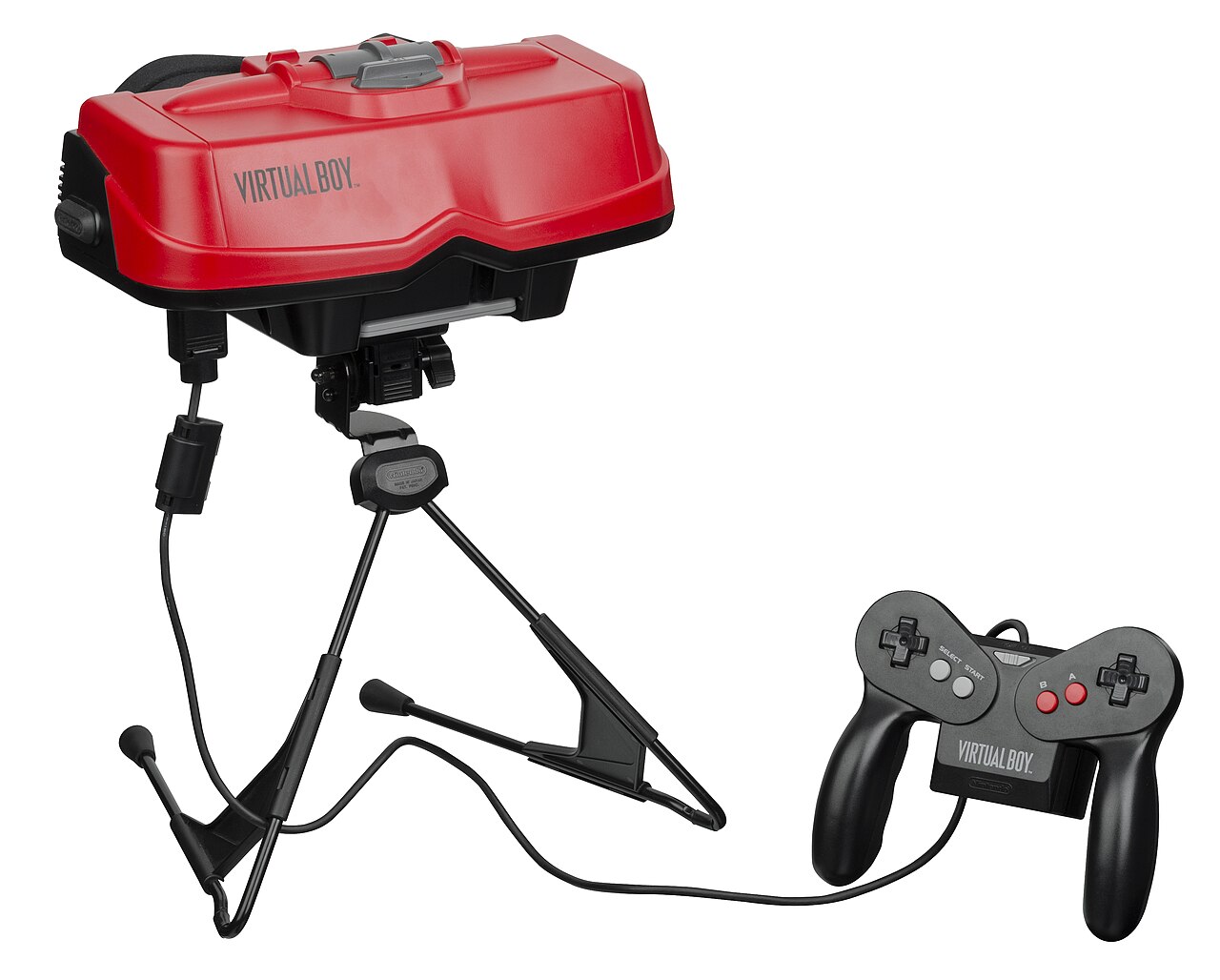
Yokoi’s last Nintendo product was its worst failure. The Virtual Boy (Japan, July 21, 1995; North America, August 14, 1995, at $179.95) was a tabletop “3D” console: the player pressed their face into a visor on a stand and saw stereoscopic images in red on black. The display came from Reflection Technology, a Massachusetts company, and drew each image with a single column of red LEDs and an oscillating mirror. Red was a cost and battery decision; Yokoi pointed out that red uses less power and, like a traffic light, is easy to see.
The machine hurt to use. Players reported eye strain and headaches, the stand forced a hunched posture, and the device was neither portable nor a real home console. Only 22 games were released. Nintendo dropped it in Japan on December 22, 1995, after five months, and in North America in 1996, after about 770,000 units, the lowest figure for any Nintendo console. Yokoi left Nintendo in August 1996. Whether the Virtual Boy pushed him out has been debated; he said it did not, and he had planned to leave anyway. He founded his own company, Koto, and was working on the WonderSwan handheld for Bandai when he died in a car accident on October 4, 1997, at 56.
The Virtual Boy shows the limit of Yokoi’s own method. Old parts used cleverly made the Game Boy. Old parts used to fake an experience the hardware could not deliver, stereoscopic immersion, made a machine people could not stand to use for long.
Satoru Iwata
On May 24, 2002, Hiroshi Yamauchi retired at 74 and handed the company to Satoru Iwata, the first president in Nintendo’s history from outside the Yamauchi family. Iwata was a programmer. He had started at HAL Laboratory in 1980 as a part-time coder while at university, became its only full-time programmer, and when HAL nearly went bankrupt Yamauchi made him its president in 1993; HAL paid off ¥1.5 billion of debt within six years. Iwata kept writing code: he wrote compression tools that let Pokémon Gold and Silver fit a second region into the cartridge, and ported the battle system of Pokémon Stadium in a week. He joined Nintendo in 2000 as head of corporate planning.
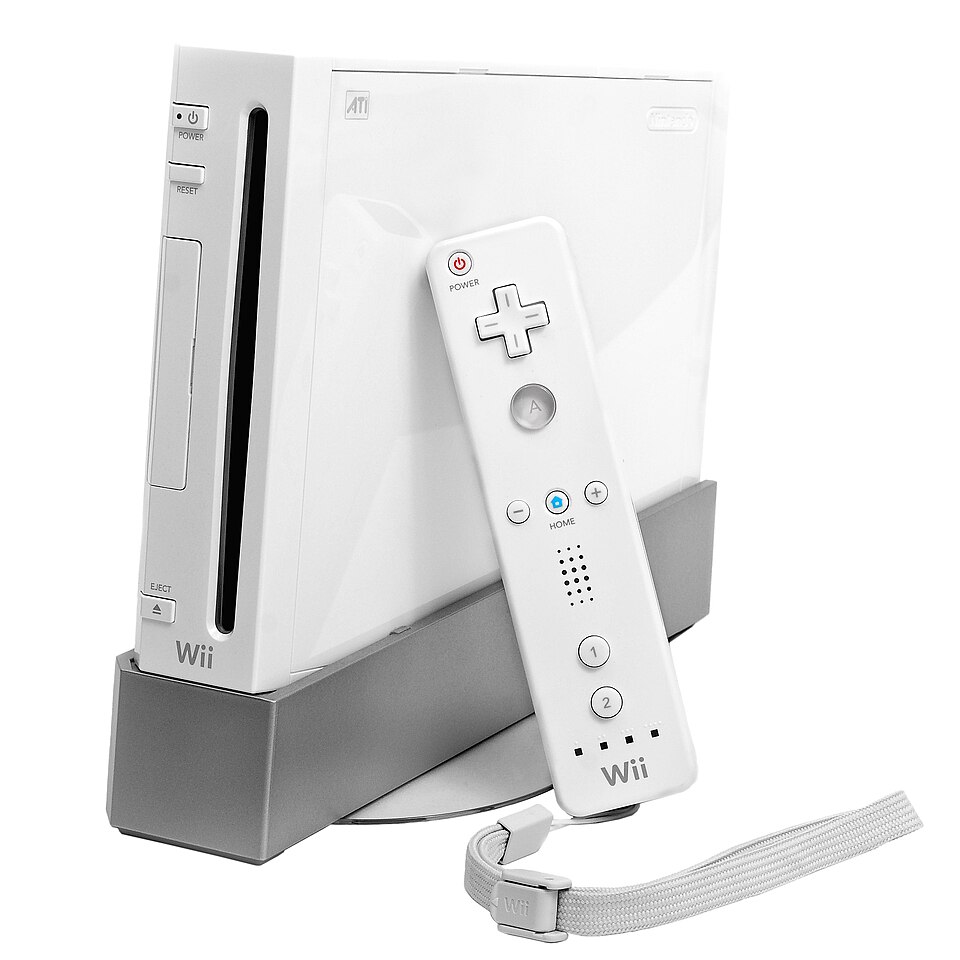
Iwata’s analysis was that the game market was shrinking because games had become harder, longer and more expensive, and that the answer was to reach people who did not play at all. The Nintendo DS (2004) added a touchscreen and sold software such as Brain Age to adults. The Wii (November 2006) replaced the conventional controller with a motion-sensing remote that anyone could point and swing; Wii Sports was bundled with it and became Nintendo’s best-selling game. The Wii sold 101.63 million units, more than the far more powerful PlayStation 3 or Xbox 360. Both machines were Yokoi’s idea at the scale of a whole platform: the Wii used an older, slower processor design than its rivals and made up for it with the controller.
Iwata described himself at a 2005 developer conference in a sentence that is still quoted: “On my business card, I am a corporate president. In my mind, I am a game developer. But in my heart, I am a gamer.” From 2011 he presented Nintendo’s announcements himself in online video broadcasts, Nintendo Direct, bypassing trade shows and the press.
Loss and Recovery
The run ended quickly. A slow launch of the Nintendo 3DS in 2011, which forced a steep price cut within months, the fading of the Wii, a strong yen, and the rise of free smartphone games produced the fiscal year ending March 31, 2012: an operating loss of ¥37.3 billion, reported at the time as the first annual loss in the company’s history. The Wii U (November 2012) made things worse. Many buyers took its tablet controller for an accessory to the Wii rather than a new console, major third-party publishers withdrew support, and it sold 13.56 million units before production ended in January 2017. Iwata halved his own salary in 2011 and again in 2014, and senior executives took cuts; Nintendo did not lay off staff. Its cash reserves, built over decades, let it absorb several poor years.
In March 2015, after years of saying it would not put its characters on other companies’ devices, Nintendo announced a capital and business alliance with the mobile game company DeNA, with each side buying ¥22 billion of the other’s shares. At the same press conference Iwata confirmed a new hardware project, code-named NX. He did not see it launch. A bile-duct tumor had been found in June 2014, and Iwata died on July 11, 2015, at 55. Tatsumi Kimishima, a banker who had run Nintendo of America, took over in September 2015 as a transitional president.
The Switch Era
The NX launched on March 3, 2017, as the Nintendo Switch: a tablet with detachable controllers that plays on a television when docked and as a handheld when lifted out. It merged Nintendo’s two hardware lines, which meant its developers no longer had to split between a home console and a handheld. On June 28, 2018, Shuntaro Furukawa, who had worked in the company’s finance and planning departments, became president. By June 30, 2026, the Switch had sold 156.59 million units, more than the DS and more than any Nintendo system before it.
Under Furukawa Nintendo began to treat its characters as a business in their own right. Super Nintendo World opened at Universal Studios Japan in Osaka on March 18, 2021, after pandemic delays. The Super Mario Bros. Movie, produced with Illumination and released in April 2023, grossed about $1.36 billion worldwide, the first film based on a video game to pass a billion dollars. Nintendo had tried Hollywood once before: the live-action Super Mario Bros. of 1993 was a critical and commercial failure, and Nintendo did not license another Mario film for thirty years.
The Switch 2 followed on June 5, 2025, at $449.99. It sold more than 3.5 million units in its first four days, the fastest start of any Nintendo system, and 23.68 million by June 30, 2026.
On October 2, 2024, Nintendo opened the Nintendo Museum in Uji, south of Kyoto, in the converted Uji Ogura plant where it had printed playing cards and hanafuda. Visitors can make their own hanafuda cards there. Nintendo still sells them.
📚 Sources
- Nintendo: Company History (official timeline)
- Nintendo IR: Dedicated Video Game Sales Units (life-to-date hardware figures as of June 30, 2026)
- EDN: Nintendo is founded, September 23, 1889
- Wikipedia: History of Nintendo (card-era dates, Daiya Taxi, instant rice, the Yamazaki investigation of the love-hotel claim) · Nintendo (name etymology, Laser Clay and the 1973 oil crisis)
- Wikipedia: Hiroshi Yamauchi · Gunpei Yokoi · Satoru Iwata · Minoru Arakawa · Sekiryo Kaneda · Shigeru Miyamoto
- Wikipedia: Laser Clay Shooting System · Color TV-Game · Radar Scope · Game & Watch
- beforemario: Nintendo Ultra Hand (1966)
- AUTOMATON West: rare commercial Famicom found in a love hotel, rekindling the “Nintendo love hotel” urban myth
- Wikipedia: Universal City Studios, Inc. v. Nintendo Co., Ltd. · Atari Games Corp. v. Nintendo of America Inc.
- Wikipedia: Nintendo Entertainment System / Family Computer · History of the Nintendo Entertainment System (Ricoh chip order) · Family Computer Network System · Game Boy · Virtual Boy · Wii U
- European Commission: IP/97/676, “The Commission clears Nintendo’s new licensing agreements” (July 22, 1997)
- Wikipedia: Mario Segale
- Wikipedia: The Pokémon Company
- Sheff, David: Game Over: How Nintendo Conquered the World (1993), Random House
- Nintendo: Consolidated Financial Statements, April 26, 2012 (fiscal year ended March 31, 2012) · GameSpot: Nintendo posts first-ever annual loss (2012)
- Nintendo: Business and Capital Alliance with DeNA, presentation of March 17, 2015
- Variety: Shuntaro Furukawa officially takes over as Nintendo president (2018)
- Comcast: Super Nintendo World grand opening at Universal Studios Japan, March 18, 2021
- Wikipedia: The Super Mario Bros. Movie
- Nintendo: News release, August 20, 2024, “Nintendo Museum to open on October 2, 2024”
- Nintendo: News release, June 2, 2021, “Utilization of the land of the Nintendo Uji Ogura Plant”
- Nintendo: Nintendo Switch 2 sells over 3.5 million units worldwide in first four days (June 11, 2025)
- Image: Shigeru Miyamoto 20150610 (cropped).jpg by Japanese Minister’s Secretariat Personnel Division (CC BY 4.0), via Wikimedia Commons
- Image: Nintendo Hanafuda.jpg by fuzzcat (CC BY 2.0), via Wikimedia Commons