Code Red: When Incumbents Panic
Abstract
In December 2022, a month after OpenAI released ChatGPT, Google’s management declared a “code red” and pulled teams off their projects to answer it. Three years later OpenAI declared one of its own against Google. Neither was the first. Computing companies have hit the alarm whenever an outsider threatened the business that paid for everything else: Intel against Motorola in 1979, IBM against the Apple II in 1980, Microsoft against Netscape in 1995 and against Linux in 1998, Facebook against Google+ in 2011, Nokia and BlackBerry against the iPhone the same year. This article collects those cases. Each alarm took the form of a memo, a speech, a renamed priority level or a neon sign, and each changed who worked on what the next morning. Some of the companies came out stronger than before. Others announced a crisis and then managed it badly. Then there are the companies that never raised an alarm at all.
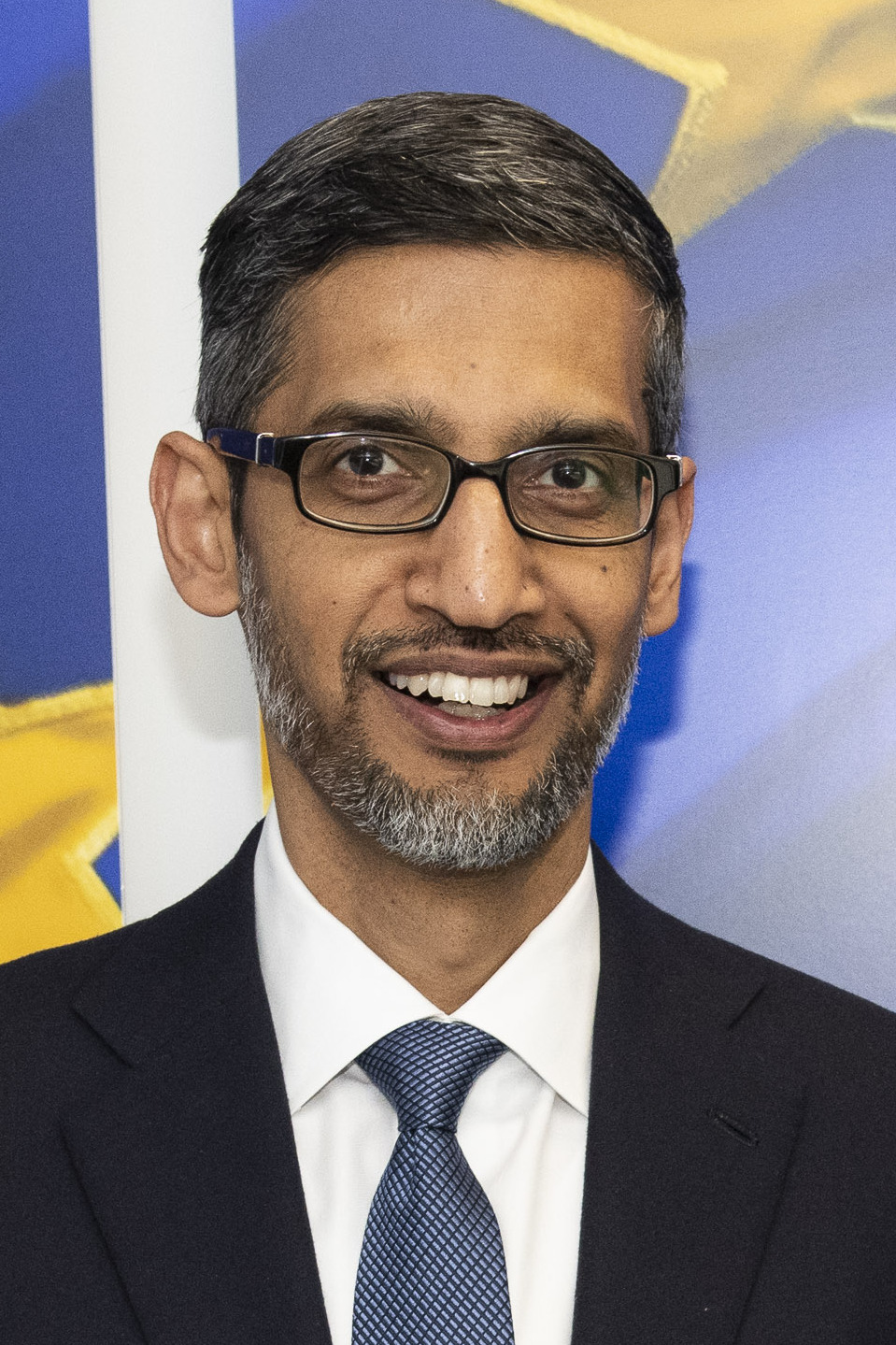
The Vocabulary of Alarm
“Code red” comes from hospitals and emergency services, where colour codes tell staff what kind of emergency is under way without alarming the public. Technology companies borrowed the idea for internal priority levels. At Google a code yellow is a recognised internal state: a declared emergency in which engineers can be pulled from other teams until a specific problem is fixed. OpenAI uses a graded scale too. Before its December 2025 alarm, improving ChatGPT had already been raised to “code orange”; the memo raised it to red. Facebook had Lockdown, a state in which nobody was supposed to leave the building until a threat was handled, signalled by a neon sign above Mark Zuckerberg’s glass-walled office.
Most of the older cases had no colour at all. They took the form of a memo from the top, written to be forwarded and often written to leak. The genre has fixed parts. It admits that the company has been wrong (“I have gone back and forth on the Internet”). It names an enemy. It declares that one thing now outranks everything else. It moves people, money and bonuses to that one thing. The test of each memo is what happened in the two or three years afterwards.
Operation Crush
Intel shipped the 8086, its first 16-bit processor, in June 1978, after pushing it from design to shipment in about 18 months. By December 1979 competing 16-bit chips were on the market, chiefly Motorola’s 68000, which engineers widely considered the cleaner design, and 8086 sales were lagging.
Intel’s answer was a sales campaign, drawn up in December 1979 and run through 1980 under marketing head Bill Davidow, with the name Operation Crush. It sold the 8086 on what came with it rather than on its instruction set: development tools, support, seminars and a promise of compatible successor chips. The advertising budget was $2 million at a company that had never spent more than a few hundred thousand dollars on a campaign, and more than a thousand employees worked on committees, seminars, technical articles and new sales incentives. The goal was 2,000 design wins in a year. The campaign brought in between 2,300 and 2,500, depending on whose count is used.
One of them was a small team at IBM in Boca Raton, which chose the 8088, the 8086 variant with an 8-bit external bus, for its personal computer. The rest of that story is in Dead End: Intel iAPX 432 and The IBM PC.
Project Chess
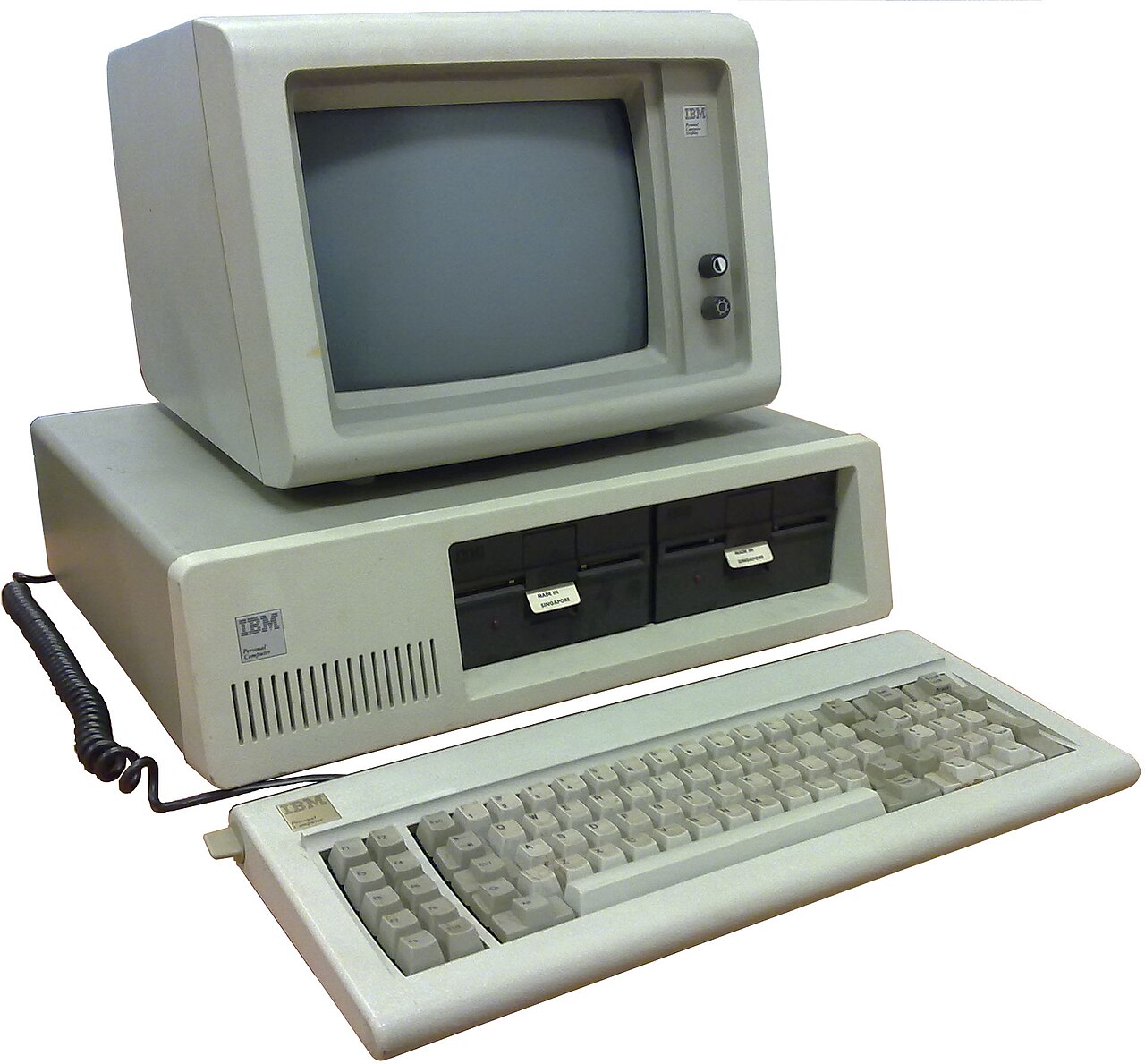
IBM’s alarm in 1980 had no memo that survives as a famous document, but it had the other features. The Apple II had been selling since 1977, and businesses were buying it to run VisiCalc. William Lowe, a lab director in Boca Raton, argued to IBM’s management committee that the company could not build a competitive personal computer through its own procedures in time. Lowe made his case to the committee in July 1980, and after a quickly built prototype and a business plan projecting 220,000 sales in three years it approved an exception: a small team, off the main campus, allowed to buy outside parts and skip the usual reviews.
Don Estridge led the team, code-named Project Chess, with twelve engineers and a deadline of August 1981. It met the deadline by using an Intel processor, a Microsoft operating system and an open expansion bus. The IBM PC 5150 shipped in August 1981 at a base price of $1,565. The speed came from the same decisions that later cost IBM control: the parts were all available to anyone, and only the BIOS had to be cloned to make a compatible machine. IBM left the personal computer business in 2005, selling it to Lenovo. The architecture it assembled in a year is still the basis of the PC.
Leaving Memory
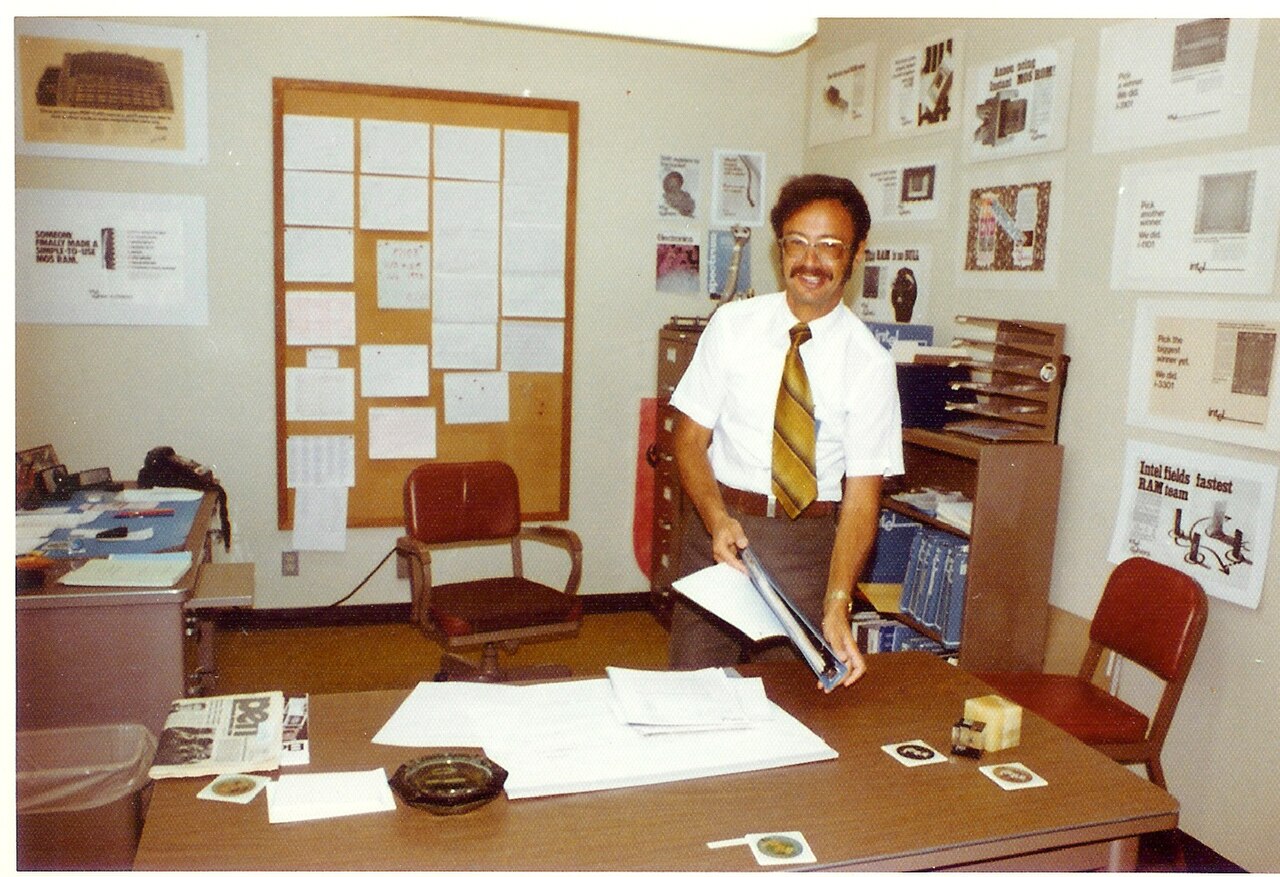
Intel’s second alarm was an admission rather than a campaign. Intel had started as a memory company, and by the early 1980s Japanese manufacturers were selling DRAM chips of good quality for less than Intel could make them. The company’s first response, in 1981, was to ask its staff to work two extra hours a day without pay, the “125% Solution.”
In 1985 Andy Grove, then president, asked chairman Gordon Moore what a new chief executive would do if the board threw them both out. Moore said he would get out of memories. Grove’s reply, as he told it in his 1996 book Only the Paranoid Survive: “Why shouldn’t you and I walk out the door, come back, and do it ourselves?” Intel left the DRAM business that year, wrote off hundreds of millions of dollars in plant and inventory, and cut about 7,200 jobs, around a third of its workforce. It put everything into microprocessors.
Grove called the moment a strategic inflection point: a shift in the forces acting on a business large enough that the old course leads to failure, while the new one is not yet clear. The phrase became management vocabulary, and the book’s title became a doctrine that later executives quoted when they declared their own emergencies. The full account is in Andy Grove and Intel.
The Internet Tidal Wave

The memo that defined the genre went from Bill Gates to “Executive Staff and direct reports” on May 26, 1995, under the subject line “The Internet Tidal Wave.” Microsoft was three months from launching Windows 95 and had treated the internet as a feature. Gates now wrote: “Now I assign the Internet the highest level of importance.” He called it “the most important single development to come along since the IBM PC was introduced in 1981,” and he named the threat: “A new competitor ‘born’ on the Internet is Netscape.”
The reallocation was fast. Microsoft licensed Mosaic code from Spyglass and shipped Internet Explorer 1.0 in August 1995 in the Windows 95 Plus! pack. On December 7, 1995, Gates presented the new strategy to more than 200 journalists and analysts at Seattle Center. Time reported that he quoted Admiral Yamamoto on the day of Pearl Harbor: “I fear we have awakened a sleeping giant.” Microsoft would “embrace and extend” the internet. Internet Explorer was free and bundled with Windows; Netscape sold Navigator. By 2002 Internet Explorer had about 96 percent of the browser market, and AOL had bought Netscape in 1999 for $4.2 billion (see The Browser Wars).
The memo had a second career. Gates’s full text, about nine pages, surfaced in the Justice Department’s antitrust case against Microsoft, filed in May 1998, as evidence of how deliberately the company had turned on Netscape. The judge ruled in April 2000 that Microsoft had violated the Sherman Act.
The Halloween Documents
Three years later the threat was free software, and this time the alarm leaked. On August 11, 1998, Microsoft engineer Vinod Valloppillil finished an internal analysis of open-source software. In the last week of October someone sent it to Eric Raymond, who annotated it over the weekend of October 31 and named it the Halloween Document; a second memo on Linux, co-written with Josh Cohen, followed. Microsoft acknowledged that both were authentic.
The memo was blunt: “OSS poses a direct, short-term revenue and platform threat to Microsoft, particularly in server space.” It conceded that open-source projects could match or exceed commercial quality, and that “OSS is long-term credible … FUD tactics can not be used to combat it.” To compete, Microsoft would have to target “a process rather than a company.” Its most quoted recommendation was to “de-commoditize protocols,” extending open standards with proprietary features that open-source projects could not follow.
The leak turned an internal alarm into a recruiting poster for Linux: if Microsoft’s engineers took it this seriously, so should customers. Microsoft spent the next decade fighting Linux on servers with licensing, patents and marketing. In October 2014 Satya Nadella presented Azure in front of a slide reading “Microsoft ♥ Linux”; about a fifth of the virtual machines on Microsoft’s cloud were already running it. See The Open Source Revolution.
Trustworthy Computing
Gates’s next alarm aimed at Microsoft itself. In 2001 the Code Red and Nimda worms had spread through Windows servers within hours, and corporate customers were asking whether Microsoft software could be trusted on a network at all. On January 15, 2002, Gates sent every employee a memo titled “Trustworthy Computing.” It opened with the claim that making .NET a platform for trustworthy computing “is more important than any other part of our work,” and gave the rule it is remembered for: “When we face a choice between adding features and resolving security issues, we need to choose security.”
The memo stopped work. In February 2002 Windows development halted while thousands of engineers went through security training and reviewed their own code; for the Windows Server 2003 team the push lasted about two months. The Security Development Lifecycle, mandatory for Microsoft products from 2004, came out of it, and so did the monthly “Patch Tuesday” release cycle. Unlike most memos in this article, its enemy was a property of the company’s own product, and the result is measurable: fewer vulnerabilities per Windows release in the years that followed, while attacks increased. The story is told from the engineers’ side in Roger Schell and Steve Lipner.
The Internet Services Disruption
Ten years after the Tidal Wave memo, Microsoft’s new chief technical officer Ray Ozzie wrote its sequel. “The Internet Services Disruption,” dated October 28, 2005, argued that Google and the web had made advertising-funded services, always-on connectivity and software delivered over the network into the next platform, and that Microsoft’s products were built for a world that was ending. Gates sent it to his executive staff with a covering note comparing it to his own 1995 memo.
This time the reallocation was slow. Microsoft launched Windows Live, then Azure (announced in 2008), and Ozzie succeeded Gates as chief software architect in 2006. He left in 2010 with a farewell memo, “Dawn of a New Day,” which said much the same thing again. The cloud business that Ozzie described became Microsoft’s largest growth engine under Nadella from 2014, nine years after the memo. See Ray Ozzie.
The Peanut Butter Manifesto
Some alarms come from the middle of the organisation and are ignored at the top. In November 2006 Brad Garlinghouse, a senior vice president at Yahoo, sent senior management an email that the Wall Street Journal published within days. “I’ve heard our strategy described as spreading peanut butter across the myriad opportunities,” he wrote. “I hate peanut butter. We all should.” He asked for a focused vision, clear ownership of each business and a cut in headcount of 15 to 20 percent.
Yahoo reorganised on December 5, 2006, into three groups; its chief operating officer Dan Rosensweig and media chief Lloyd Braun left. No layoffs of the size Garlinghouse proposed were announced. Chief executive Terry Semel resigned in June 2007 after a shareholder meeting at which he was criticised for trailing Google in search advertising. Yahoo kept most of its many properties until Verizon bought the operating business in 2017. The longer decline is in Dead End: Yahoo!.
Lockdown and the Social Bonus
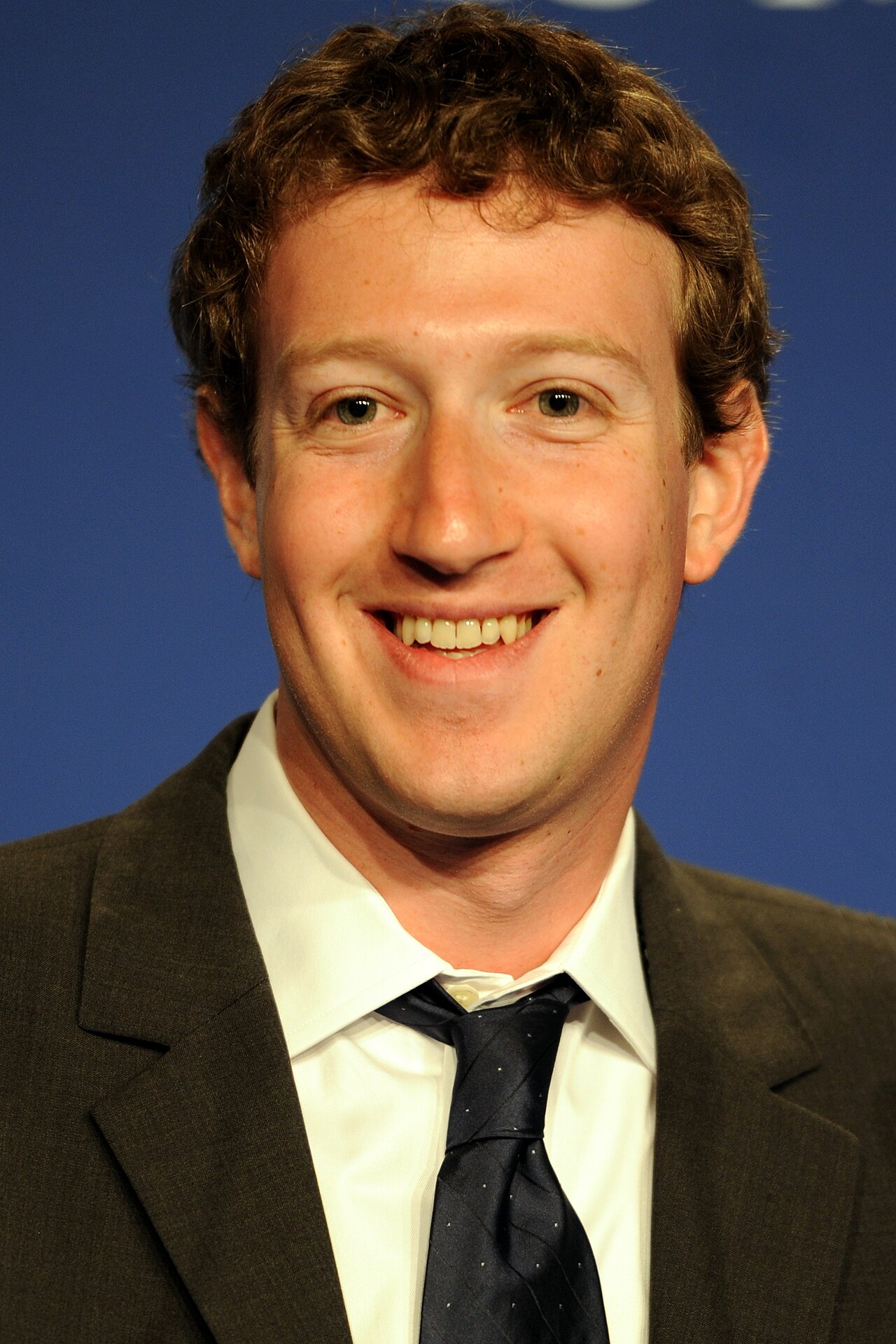
In 2011 Google and Facebook declared emergencies against each other within three months.
Google’s came first. In early April 2011, as Larry Page took over again as chief executive, a memo titled “2011 Bonus Multiplier” told every employee that their annual bonus would be adjusted up or down by as much as 25 percent depending on how well the company executed its social strategy. Google did not confirm the memo’s authenticity, but it reorganised the same week and made Vic Gundotra senior vice president of social. Google+ launched on June 28, 2011.
At Facebook, according to former product manager Antonio García Martínez, an email went out at 1:45 p.m. on the day Google+ launched telling staff to gather by the neon “Lockdown” sign above Zuckerberg’s office. It was already lit. In his book Chaos Monkeys (2016) García Martínez calls it the first and only Lockdown of his time at the company, and describes Zuckerberg ending his speech with Cato the Elder’s line “Carthago delenda est”: Carthage must be destroyed. The account is one employee’s memory, published five years later.
Google+ never became a place where people spent time. Google closed it to consumers in April 2019, after a data exposure it had kept quiet for months. The social bonus left no trace in Google’s products except Google Photos, which was split off in 2015 (see Dead End: Google+).
The Burning Platform
Nokia’s alarm came from a chief executive who had been in the job for five months. Stephen Elop, formerly of Microsoft, sent his staff a memo that was published on February 8, 2011. “There is a pertinent story about a man who was working on an oil platform in the North Sea,” it began: woken by an explosion, the man jumped into the freezing sea because staying on the burning platform meant certain death. Nokia, Elop wrote, was standing on one. “The first iPhone shipped in 2007, and we still don’t have a product that is close to their experience.” At the low end, Chinese manufacturers were producing phones faster than Nokia could plan them. And: “We poured gasoline on our own burning platform.”
Three days later, on February 11, Nokia announced that Microsoft’s Windows Phone would replace its own Symbian and MeeGo systems as its primary smartphone platform. The memo was accurate about the platform, but its timing made the problem worse. Customers and carriers stopped buying Symbian phones that Nokia had just declared obsolete, months before any Windows Phone handset existed. Microsoft bought Nokia’s phone business in 2014 for about €5.4 billion and wrote off $7.6 billion of it in July 2015. See Nokia, Dead End: Symbian and Dead End: Maemo and MeeGo.
The Letter from Waterloo
At Research In Motion the alarm went the other way, from inside to the top, and in public. On June 30, 2011, the technology site BGR published an open letter to co-chief executives Mike Lazaridis and Jim Balsillie from a senior employee whose identity the site said it had verified. “I have lost confidence,” it began. “While I hide it at work, my passion has been sapped. I know I am not alone.” The writer said RIM was “3-4 years too late,” and asked for a focus on the end user rather than the carriers, better software engineering, fewer projects and new leadership.
RIM answered the same day by doubting that the author was senior and pointing out that it had shipped 13.2 million BlackBerry smartphones in the previous quarter. BGR’s inbox filled with letters from other current and former employees agreeing with the first. Lazaridis and Balsillie stepped down as co-chief executives in January 2012. The company’s own new operating system, BlackBerry 10, arrived in January 2013, and by 2016 BlackBerry had stopped designing phones (see Dead End: BlackBerry).
Mobile First
Facebook’s 2012 emergency had no name, but it reorganised the company. At its stock market listing in May 2012, Facebook told investors that its mobile users did not “currently directly generate any meaningful revenue,” while those users were growing faster than desktop ones. Its iPhone app was built largely in HTML5, a web page inside a native shell, and it was slow.
Zuckerberg’s response, as Facebook executives described it later that year, was a rule for product reviews: a team that came in with a desktop design first was sent back to start over. Mobile engineers, previously a separate group, were moved into the teams that owned News Feed, Messenger and Timeline, and hundreds of other engineers were trained in iOS and Android development. A rewritten native iPhone app shipped in August 2012, and in September Zuckerberg told the TechCrunch Disrupt conference: “We burned two years. It may turn out it was one of the biggest if not the biggest strategic mistake we made.” In the fourth quarter of 2012 mobile was 23 percent of Facebook’s advertising revenue; a year later it was 53 percent, $1.25 billion in one quarter. Of the alarms in this article, this is one of the few where the company’s own numbers show the turn within eighteen months.
Code Yellow
Not every alarm is about a competitor. In February 2019, according to internal emails shown at the U.S. Justice Department’s antitrust trial against Google in 2023, the company declared a code yellow because search queries were growing more slowly than its revenue plan assumed. Prabhakar Raghavan, then head of advertising, wrote to the head of search, Ben Gomes: “The core query softness continues without mitigation,” and warned that “the full year plan is a bad miss.” Engineers from Search and Chrome were reassigned to find out why. Gomes wrote to colleagues that search was “getting too involved with ads for the good of the product and company,” and testified that he “did not care for queries as a metric.”
The code yellow ended in mid-March 2019, after about seven weeks; Raghavan praised the “heroic” engineering. A year later Gomes moved to another role, and Raghavan took over search as well as advertising. The emails became part of the government’s argument that Google’s search decisions were tied to advertising revenue, an argument the company disputed.
Code Red at Google
ChatGPT was released on November 30, 2022. On December 21 the New York Times, citing an internal memo and an audio recording, reported that Google’s management had declared a “code red” and that groups across research, trust and safety and other departments had been reassigned to build AI prototypes. The irony that the press noticed at once was that Google had built the parts. Its researchers had published the transformer architecture in 2017 (see The Transformer Architecture), and it had a conversational model, LaMDA, which it had not released. At an all-hands meeting, Pichai and Jeff Dean told employees that moving too fast with chatbots that made mistakes carried “reputational risk.” Larry Page and Sergey Brin, who had left day-to-day roles in 2019, came back for meetings on the company’s AI strategy.
The first product of the alarm showed the cost of speed. Google announced its chatbot Bard on February 6, 2023, a day before Microsoft presented a new Bing built on OpenAI’s models. A promotional clip showed Bard claiming that the James Webb Space Telescope had taken the first pictures of a planet outside the solar system; the first such image came from a European telescope in Chile in 2004. On February 8, Alphabet’s market value fell by about $100 billion. Google merged its two AI laboratories, Google Brain and DeepMind, under Demis Hassabis in April 2023, and released the Gemini models from December 2023 (see Sundar Pichai and Google and The LLM Race). At Salesforce’s Dreamforce conference in October 2025 Pichai said that in a different world Google would have launched its own chatbot a few months later, once it met the company’s bar for reliability.
Founder Mode
By 2025 the alarm had become a management style for the companies racing to build large language models. In February 2025 Sergey Brin, by then working at Google again, wrote to the Gemini teams that they should be in the office every weekday, that sixty hours a week was “the sweet spot of productivity,” and that Google had the ingredients to win the race but had to “turbocharge” its efforts. The memo did not change Google’s official office policy.
At Meta, the trigger was its own model. Llama 4, released in April 2025, met a cool reception and accusations that its benchmark results had been tuned for the test. In June Zuckerberg invested $14.3 billion in the data-labelling company Scale AI for a 49 percent stake, hired its chief executive Alexandr Wang as chief AI officer and put all of Meta’s AI teams into a new unit, Meta Superintelligence Labs. He recruited researchers from OpenAI and Google personally, with packages the New York Times put in the seven to nine figures. Sam Altman said on a podcast that none of OpenAI’s best people had accepted.
Code Red at OpenAI
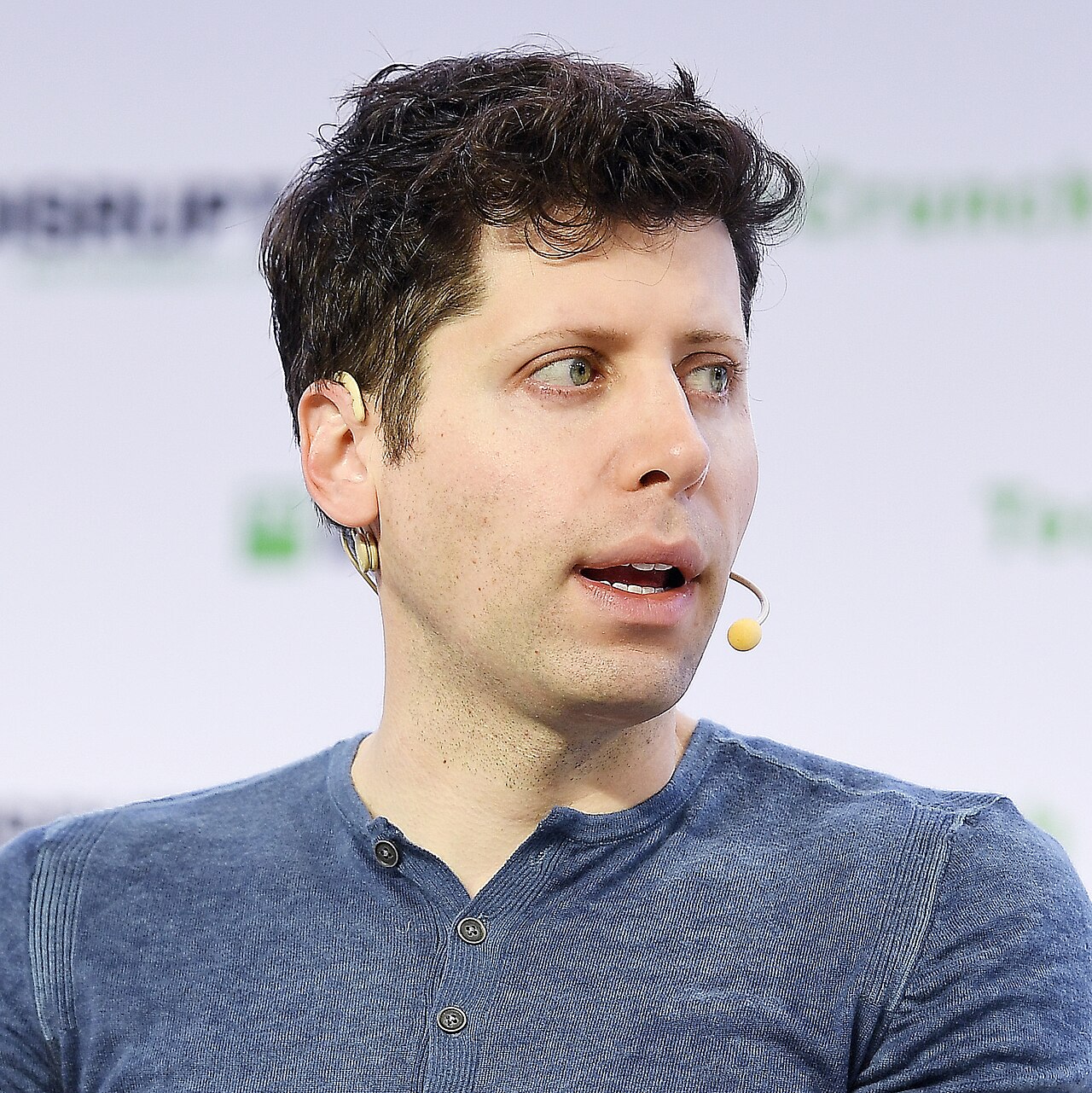
Google released Gemini 3 on November 18, 2025, in its search engine and apps on the same day, and it led several benchmark leaderboards. The Gemini app had grown from 450 million monthly users in July to 650 million in October. On December 1, 2025, Sam Altman told OpenAI’s staff in a memo first reported by The Information: “We are at a critical time for ChatGPT.” Improving ChatGPT went from code orange to code red. Advertising in ChatGPT, shopping and health agents and the Pulse feature were postponed; Altman set up a daily call for the people responsible and encouraged temporary transfers to the ChatGPT teams. A week earlier he had warned staff of “rough vibes” and “temporary economic headwinds.”
OpenAI released GPT-5.2 on December 11, 2025, while saying the model had been planned for some time. The code red was scheduled to last eight weeks, ending in late January 2026. In a podcast interview in December, Altman said OpenAI had declared code red before, in response to the Chinese model DeepSeek in January 2025, and that it was good to be paranoid. “My guess is we’ll be doing these once, maybe twice a year for a long time,” he said. Three years after Google’s alarm over ChatGPT, the company that caused it was raising the same alarm against Google, and planning to raise it again.
Alarms Not Raised
The opposite case is less visible, because no memo records it. Kodak’s engineer Steve Sasson built a working digital camera in December 1975 and showed it to management, who saw a threat to the film business and kept it quiet. Kodak filed for bankruptcy in January 2012 (see Digital Photography and the Fall of Kodak). When Apple introduced the iPhone in January 2007, Microsoft’s chief executive Steve Ballmer said there was “no chance that the iPhone is going to get any significant market share”; Microsoft’s own mobile reset, Windows Phone 7, shipped almost four years later (Dead End: Microsoft’s Mobile Failures). Digital Equipment Corporation, which had built its fortune on the minicomputer, treated the personal computer as a sideline until Compaq bought it in 1998 (DEC and the Minicomputer Era). In each case the company had the information and the engineers; what it lacked was someone at the top willing to say that the business that paid for everything was in danger.
Dead End: When the Alarm Fails
A declared emergency is a tool, and the record shows it fails in a few recurring ways.
- The alarm comes after the market has moved. Elop’s memo was accurate, and that was the problem: by February 2011 there was nothing Nokia could ship. RIM’s letter-writer said the company was three or four years late. A memo can reallocate people; it cannot reverse years of lead.
- The alarm announces the weakness to customers. Nokia’s own staff and customers read the burning-platform memo the same week as the press, and Symbian sales fell before the replacement existed. Microsoft’s Halloween memo told the world that Linux was a credible server system, in Microsoft’s own words.
- The alarm buys a copy of the threat. Google+ was a better-engineered Facebook built by people paid to make it succeed. Users wanted to be where their friends were, and a bonus multiplier does not move friends. Bard was rushed out to answer ChatGPT and made its error in its own advertisement.
- The alarm optimises the wrong number. The 2019 code yellow treated a slowdown in queries as an emergency, and in doing so set the search team’s purpose (answering quickly) against the advertising plan’s (more queries).
- The alarm is never acted on. Yahoo reorganised its org chart after the peanut-butter memo and kept spreading. Ozzie’s 2005 memo was right about the cloud, and Microsoft took nearly a decade to reorganise around it.
The alarms that worked had something in common: the company could win by doing more of what it was already good at, faster. Intel sold engineering support it already had. IBM bought parts that already existed. Microsoft in 1995 had Windows to bundle a browser with, and in 2002 had engineers who could learn secure coding in a month. Facebook in 2012 already had the users; it only had to follow them onto the phone. Where the alarm demanded a product the company did not know how to make, a social network at Google or a touch-screen operating system at Nokia, the memo only brought the bad news forward.
📚 Sources
- Intel, “Intel at 50: The 8086 and Operation Crush,” news byte, May 31, 2018 (8086 schedule, December 1979 start, $2 million budget, 1,000+ employees, 2,000-win goal and ~2,500 achieved, IBM PC)
- Computer History Museum, “Intel Crush Oral History Panel” (William Davidow, Regis McKenna and others) (2,300 design wins)
- Wikipedia: IBM Personal Computer (approval by the Corporate Management Committee, 220,000-unit business plan, launch price)
- Andrew S. Grove: Only the Paranoid Survive: How to Exploit the Crisis Points That Challenge Every Company (1996), Currency/Doubleday · Open Library
- Gates, Bill: “The Internet Tidal Wave,” internal Microsoft memo, May 26, 1995, full text via Petri
- “Two Years Ago Gates Dropped A Warhead That Is Still Exploding,” Seattle Times, December 7, 1997 (Pearl Harbor Day event; memo in the DOJ case)
- “Winner Take All: Microsoft v. Netscape,” Time, 1996 (Seattle Center speech, Yamamoto quote)
- GeekWire: “30 years after Microsoft went all in on the internet, its AI strategy feels like a big-budget remake” (2025)
- Raymond, Eric S.: “The Halloween Documents,” annotated text of Vinod Valloppillil’s memo of August 11, 1998
- ITPro Today: “Microsoft confirms that Halloween Document is real” (1998)
- PCWorld: “Microsoft hearts Linux for Azure’s sake” (October 2014)
- Gates, Bill: “Trustworthy Computing,” memo of January 15, 2002, as posted to the cryptography mailing list
- Computerworld: “Gates pushed change in security culture at Microsoft” (2008)
- Ozzie, Ray: “The Internet Services Disruption,” internal Microsoft memo, October 28, 2005, full text as published by Dave Winer
- TechCrunch: “Five Years Later, Ray Ozzie Pens Another Great Memo: ‘Dawn Of A New Day’” (October 25, 2010)
- Garlinghouse, Brad: “The Peanut Butter Manifesto” (Yahoo internal memo, November 2006), full text
- InfoWorld: “Dan Rosensweig leaves Yahoo in shake-up that divides the company into three groups” (December 2006)
- MIT Technology Review: “Yahoo’s CEO resigns, giving new hope for frustrated investors” (June 19, 2007)
- Search Engine Land: “Reports: Google CEO Page Ties Bonuses To Social Success, Reorganizes Google Mgmt. Team” (April 2011)
- InformationWeek: “Google Links Bonuses To Social Strategy” (April 2011)
- The Next Web: “Mark Zuckerberg reportedly put Facebook on lockdown when Google+ launched” (June 3, 2016), on the Chaos Monkeys excerpt in Vanity Fair
- Gizmodo: “The juiciest parts of the new Facebook tell-all book” (2016)
- Wikipedia: Google+ (launch June 28, 2011; consumer shutdown April 2, 2019)
- Elop, Stephen: “Burning Platform” memo, full text, Engadget, February 8, 2011
- Microsoft Q1 FY2016 earnings release (Nokia impairment)
- TechCrunch: “RIM Employee To CEOs: ‘I Have Lost Confidence’” (June 30, 2011)
- BGR: “More letters to RIM; employees rally alongside anonymous exec” (July 1, 2011)
- Fierce Network: “RIM responds to anonymous open letter, says it is addressing issues” (2011)
- TechCrunch: “Facebook VP: We Pivoted To Create The Right Mobile Experience First, The Desktop Can Catch Up Later” (October 19, 2012)
- Inquirer Technology / AFP: “Facebook shakes up engineering teams in mobile move” (September 2012)
- UPI: “Facebook burned 2 years on wrong mobile tech” (September 12, 2012)
- Mobile Marketing Magazine: “Half of Facebook Q4 Ad Revenue Came from Mobile” (January 2014) and SiliconANGLE: “Has mobile finally paid off for Facebook?” (January 30, 2013)
- Bloomberg via TechXplore: “Google’s 2019 ‘Code Yellow’ blurred line between search, ads” (November 2023)
- Search Engine Land: “Ex-Google Search head worried his team was ’too involved with ads’” (2023)
- NYT: “A New Chat Bot Is a ‘Code Red’ for Google’s Search Business” (December 21, 2022)
- NPR: “Google shares drop $100 billion after its new AI chatbot makes a mistake” (February 9, 2023)
- Digit: “Sundar Pichai says ChatGPT’s launch was a turning point for Google, not a setback” (October 2025)
- Fortune: “Sergey Brin says 60 hours a week is the sweet spot” (February 28, 2025)
- Maginative: “Meta Bets $14.3 Billion on Scale AI, and Its CEO, to Lead New Superintelligence Lab” (June 2025)
- eWeek: “Meta’s New Superintelligence Division: Who Has Been Hired” (2025)
- Fortune: “Sam Altman declares ‘code red’ as Google’s Gemini surges” (December 2, 2025)
- Search Engine Journal: “OpenAI declares code red to improve ChatGPT amid Google competition” (December 2025)
- Fortune: “Inside OpenAI’s fragile lead in the AI race, and the 8-week ‘code red’ to fend off a resurgent Google” (December 17, 2025)
- TechCrunch: “OpenAI fires back at Google with GPT-5.2 after ‘code red’ memo” (December 11, 2025)
- Windows Central: “Sam Altman admits OpenAI has declared ‘code red’ multiple times this year” (December 2025) (Big Technology Podcast interview)
- Image: Sundar Pichai - 2023 (cropped).jpg by Lukasz Kobus, European Commission (CC BY 4.0), via Wikimedia Commons
- Image: Ibm pc 5150.jpg by Ruben de Rijcke (CC BY-SA 3.0), via Wikimedia Commons
- Image: Andy Grove in His Office.jpg by Intel Free Press (CC BY 2.0), via Wikimedia Commons
- Image: Bill Gates - 2023 - P062021-967902 (cropped).jpg by Lukasz Kobus, European Commission (CC BY 4.0), via Wikimedia Commons
- Image: Mark Zuckerberg at the 37th G8 Summit in Deauville 018 v1.jpg by Guillaume Paumier (CC BY 3.0), via Wikimedia Commons
- Image: Sam Altman CropEdit James Tamim.jpg by TechCrunch (CC BY 2.0), via Wikimedia Commons